Urban Redevelopment Authority Board Meeting Summary - September 10, 2026
On September 10, 2026, the Urban Redevelopment Authority of Pittsburgh (URA) Board of Directors approved $4.85 million in loans for Ross Lofts, a 46-unit conversion of the office building at 100 Ross Street downtown, and $2.45 million plus a land sale for Carrick Senior Apartments, 52 affordable homes for seniors on the former Berg Place site. The board also moved Homewood Gateway, a 44-unit mixed-use building on North Homewood Avenue, to a sale agreement with about $3.4 million in URA financing. It added a walk-on $600,000 grant to help Macedonia Church buy the former Salem’s Market plaza in the Hill District, and approved the final land sale for Rhythm Square on Centre Avenue. Four of five board members were present, and every item passed unanimously. Here’s what happened, item by item.
Recording: https://www.youtube.com/watch?v=tRAgxbzcJOg
Housing
Ross Lofts — 100 Ross Street (Downtown)
URA materials: Director’s report and resolutions
Summary of Item
The board was asked to approve a $3 million Pittsburgh Downtown Conversion Program loan and a $1.85 million Rental Gap Program loan to Ross Lofts LP, an affiliate of Columbus-based Woda Cooper. The company plans to gut and convert the seven-story historic office building at 100 Ross Street, between First and Second avenues, into 46 apartments (15 studios and 31 one-bedrooms, per the presentation) plus about 5,000 square feet of office space for a long-term tenant. Thirty-nine units will be affordable: five at or below 20% of area median income (AMI), 19 at or below 50%, and 15 at or below 60%, with 40-year restrictions. The other seven will be market-rate. The Housing Authority of the City of Pittsburgh (HACP) will provide 23 project-based vouchers and $1.5 million in gap funding.
The project won 9% low-income housing tax credits (LIHTC) in the Pennsylvania Housing Finance Agency’s (PHFA) 2025 round, and also uses historic tax credits and a PHFA first mortgage. Total development cost is about $30.8 million. Twelve units will be designed for residents with hearing or vision impairments, nine of them fully accessible, and 43 of the 46 units will meet visitability standards. No current residents will be displaced. Construction is expected to run from fall 2026 to spring 2028. Rothschild Doyno Collaborative is the architect.
Discussion
The Woda Cooper representative couldn’t unmute in time, so the board voted before hearing from her. Chair Yarone Zober thanked Woda Cooper as a relative newcomer willing to invest downtown and said Pittsburgh needs more developers like it. A Woda Cooper vice president then said the firm will serve as owner, developer, property manager, and general contractor. She said this will be its second Pittsburgh project, after a downtown conversion already under construction through the same program. In public comment, Meghan Hammond of the Fair Housing Partnership of Greater Pittsburgh praised the 43 visitable units as “remarkable for the reuse of an older existing building.”
Decision
Approved unanimously (4–0) on a voice vote. Motion by Council President R. Daniel Lavelle, seconded by State Rep. Lindsay Powell, per the minutes.
In the news: Woda Cooper secures $4.85M in URA funding for its next downtown Pittsburgh residential conversion — Pittsburgh Business Times via WPXI, Sept. 14, 2026.
Carrick Senior Apartments (Berg Place) — 2535 Brownsville Road (Carrick)
URA materials: Director’s report and resolutions
Summary of Item
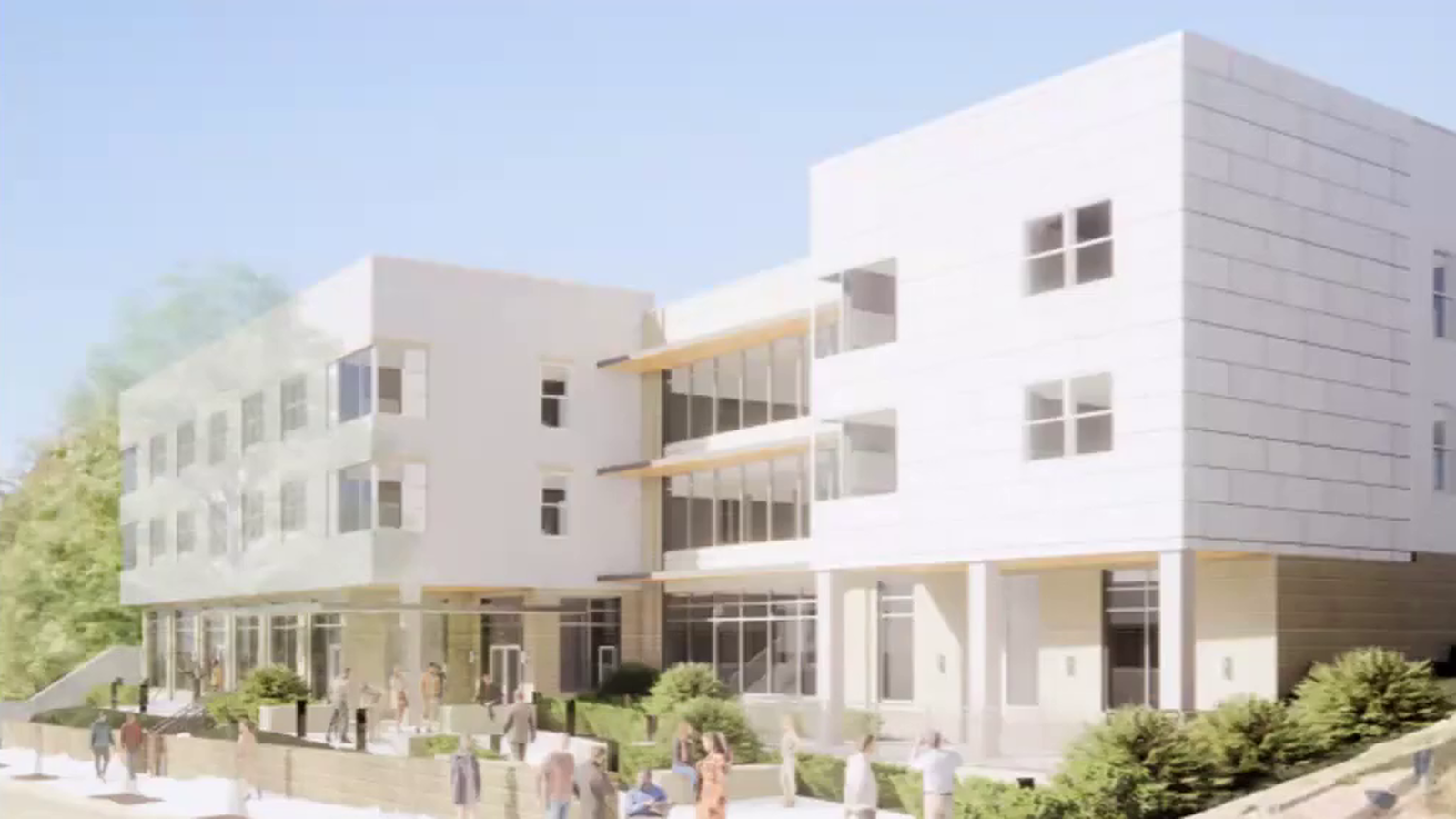
The board was asked to approve a proposal and form of contract to sell the Berg Place site to Carrick Senior Apartments LP for $280,000 including holding costs, waive the Rental Gap Program’s $2 million loan cap, and approve a Rental Gap loan of up to $2.45 million. The developers, CHN Housing Partners and Amani Christian Community Development Corporation, plan to demolish the condemned complex above the Brownsville Road business district and build 52 affordable apartments for residents 62 and older: 47 one-bedrooms and five two-bedrooms. Six units will be at or below 20% of AMI, 44 at or below 50%, and two at or below 80%, all for 40 years. HACP will attach project-based vouchers to 50 of the 52 units.
Total development cost is about $25.05 million, led by nearly $15.9 million in 9% LIHTC equity, plus $1.5 million from HACP, $1 million in PHFA PHARE funding, and about $954,000 in federal Community Project Funding. Nine units will meet federal UFAS accessibility standards, two will be designed for residents with sensory impairments, and all will be visitable. Ursuline Support Services will provide on-site services. This was the board’s second action on the project, after a first disposition approval in December 2024. Final sale approval will come back to the board before financial closing. Construction is expected to start by the end of 2026 and finish in early 2028.
Discussion
A board member asked what visitability standards actually require. Chief Housing Officer Quianna Wasler explained that they mean zero- or minimal-step entrances, wide interior doors, and a main-floor bathroom, so that anyone can visit a unit comfortably. In public comment, Hammond thanked the URA for including sensory-impairment units here and at Ross Lofts. She asked the URA and developers to spell out which accessibility features those units will have, describing a blind tenant in subsidized housing who can’t use his building’s card-operated laundry machines.
Decision
Approved unanimously (4–0) on a voice vote. Motion by Powell, seconded by Director Sam Williamson, per the minutes.
Development Services
Centre Heldman Plaza (former Salem’s Market) — Macedonia Church of Pittsburgh (Hill District, walk-on item)
URA materials: Director’s report and resolution
Summary of Item
The board voted to add this item to the agenda, then was asked to approve a Greater Hill District Neighborhood Reinvestment Fund (GHDNRF) grant of up to $600,000 to Macedonia Church of Pittsburgh. The money would help the church buy Centre Heldman Plaza at 1850 Centre Avenue, which includes the former Salem’s Market grocery store and its attached retail and parking, and keep it as a community asset. The GHDNRF is paid for by payments in lieu of taxes from development on the Lower Hill site, and its advisory board recommended the grant on September 8. The URA expects a new grocery store there to create 40 to 50 jobs. The grant will carry conditions still to be negotiated by the URA and the advisory board.
Discussion
Kirk Holbrook, the fund’s project manager, said the GHDNRF has come to the board three times this year for 15 projects totaling $1.3 million. He called this request a sign the fund can respond quickly to community needs. Pastor Brian Edmonds said Macedonia, McCauley Ministries, and other partners spent 18 months on research and consultants to avoid “the mistakes of the past.” He said the store would bring at least 30 jobs, healthy food, and community ownership, and would build on the new Granada Theater and other work along the corridor. Public comment was reopened for the walk-on item, and no one spoke.
Decision
Approved unanimously (4–0) on a voice vote. Motion by Lavelle, seconded by Williamson, per the minutes. A separate motion to add the walk-on item also passed.
Basic Condition Reports Firms (Citywide)
URA materials: Director’s report and resolution
Summary of Item
The board was asked to accept Massaro CM Services, Mullin & Lonergan Associates, and Urban Design Ventures as an as-needed slate for basic conditions studies through December 31, 2029. These studies document blight so an area can be certified as a redevelopment area, which is the first required step in creating a tax increment financing (TIF) district.
Discussion
Chief Development Officer Tom Link said these studies are a necessary first step for any TIF. No other discussion.
Decision
Approved unanimously (4–0) on a voice vote. Motion by Lavelle, seconded by Powell, per the minutes.
Rhythm Square Phase I — Studio Volcy, 2239 Centre Avenue (Middle Hill)
URA materials: Director’s report and resolutions
Summary of Item
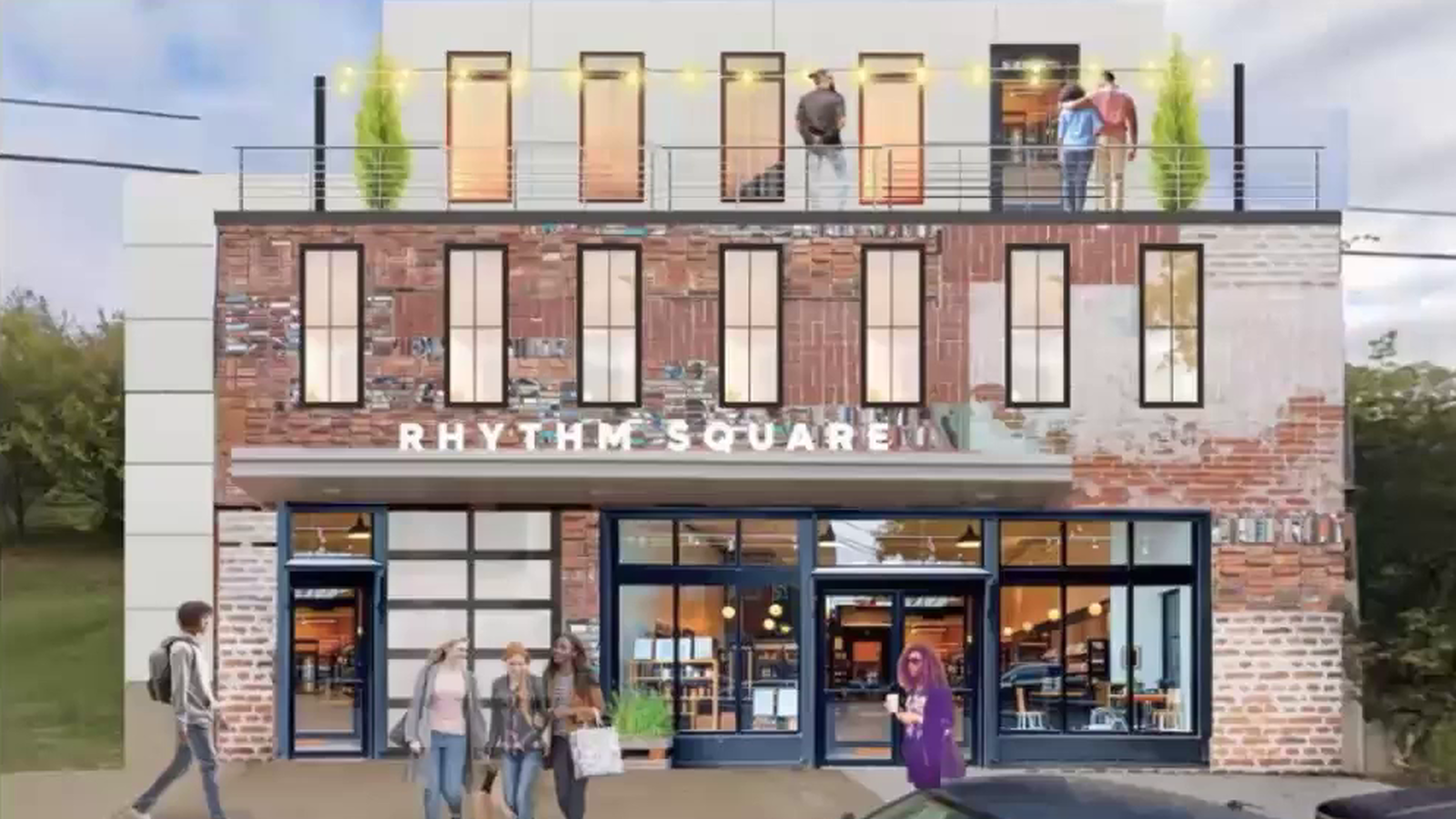
The board was asked to approve final drawings and financing and authorize the deed for four URA parcels sold to Studio Volcy LLC for $94,000. It was also asked to raise Studio Volcy’s Community Development Investment Fund (CDIF) grant from $500,000 to $550,000, which requires waiving the program’s $500,000 cap. Phase I of Rhythm Square will rehab the former Center Builders Supply & Lumber Co. warehouse into two ground-floor retail spaces and 12 subsidized artist studios upstairs, along with site and accessibility improvements. Total cost is about $4.54 million, with funding that includes $1 million in state RACP money, $800,000 in federal Community Project Funding, and a $250,000 GHDNRF grant approved in March 2026. The project came out of the URA’s 2019 call for developers along the Centre Avenue corridor. Staff said it will create 16 jobs and generate about $30,000 a year in real estate taxes.
Discussion
Principal Alicia Volcy, joining online, thanked the URA for “sticking with us” through the long process. A board member thanked her for her fortitude, noting the project dates to around 2021. Asked when construction would start, the team said bids are open until September 17 and work should begin within about a month after contracts are awarded.
Decision
Approved unanimously (4–0) on a voice vote. Motion by Lavelle, seconded by Williamson, per the minutes.
Downtown TRID Bond Underwriters (Downtown)
URA materials: Director’s report and resolutions
Summary of Item
The board was asked to hire Stifel, Nicolaus & Company, Raymond James & Associates, and PNC Capital Markets as underwriters for bonds backed by the Golden Triangle Reinvestment Fund, also called the Downtown Transit Revitalization Investment District (TRID). The TRID is meant to be a long-term way to finance infrastructure, redevelopment, and public realm improvements downtown. The firms were picked through a May 2026 request for qualifications, with help from the URA’s financial advisor, PFM. They work at risk: their fees will be set by the size of the eventual bond issues and paid from bond proceeds.
Discussion
None. Representatives of the three firms were in the room or online.
Decision
Approved unanimously (4–0) on a voice vote. Motion by Lavelle, seconded by Williamson, per the minutes.
Downtown Art and Lighting Plan — Gensler (Downtown)
URA materials: Director’s report and resolution
Summary of Item
The board was asked to hire Gensler for up to $75,000 to plan art and lighting improvements downtown. The work will assess existing conditions, identify priority locations, and set a framework for future projects. The URA got 17 proposals to a March 2026 request, then ran a second round with a tighter scope before choosing Gensler. The contract depends on a final foundation grant award letter.
Discussion
Zober said the study is about using art and light to connect downtown to Uptown, the Hill, the South Side, the Strip District, and the North Shore. He said people don’t walk from one to the other partly because routes like dark, “rusted out” bridges don’t draw them along. He pointed to murals left over from the NFL Draft and promised a “robust” community process with philanthropic, artist, and neighborhood partners. A Gensler representative said the firm is ready to start.
Decision
Approved unanimously (4–0) on a voice vote. Motion by Lavelle, seconded by Williamson, per the minutes.
Homewood Gateway — McCormack Baron Salazar (Homewood South)
URA materials: Director’s report and resolutions
Summary of Item
The board was asked to approve a proposal and form of contract to sell six parcels on North Homewood Avenue to McCormack Baron Salazar (MBS) for $176,000, and to approve about $3.4 million in URA financing. That includes a UPIF loan of up to $1,593,450 and a CDIF loan of up to $906,550, each above its program’s cap and needing a waiver, along with a $176,000 purchase money mortgage. It also includes a $750,000 loan of federal Community Project Funding passed through a subrecipient agreement with the City. The new four-story mixed-use building will have about 4,000 square feet of ground-floor commercial space and 44 rental apartments (12 three-bedrooms, 16 two-bedrooms, and 16 one-bedrooms). Six will be at or below 20% of AMI, 24 at or below 50%, seven at or below 60%, and seven market-rate.
The site covers three long-vacant city blocks on North Homewood Avenue between Susquehanna Street and Hamilton Avenue, one block north of the Homewood East Busway station. The project has 9% LIHTC and a total cost of about $25.55 million, including $4.2 million in HACP gap financing. The URA picked MBS in 2022, and the design went through several versions. Meanwhile, the URA handled environmental assessments, Act 2 clearance, grading, demolition, and a street vacation on the site. Staff expect to bring the deed back to the board and close by December 31, 2026, with construction starting in 2027.
Discussion
An MBS development manager, joining online, said the team is eager to close later this year and deliver “much-needed housing” and ground-floor commercial space. Zober called the project a long journey. No board questions.
Decision
Approved unanimously (4–0) on a voice vote. Motion by Powell, seconded by Lavelle, per the minutes.
Also on the Agenda
Public Comment
Besides Hammond’s comments on the housing items, Dr. Kimberly Ellis, a voting member of the Greater Hill District Neighborhood Reinvestment Fund advisory board, said part of that board’s internal process “has failed.” She said development applications in its March 2026 round were judged inconsistently and that rejection letters went out before the board reconvened as agreed. She also said a co-chair who opposed reallocating money then is now backing a new funding request that depends on a reallocation. She asked the URA to investigate, provide independent oversight, and meet with her beyond the three-minute comment period, and said she had submitted 11 pages of documentation. The board didn’t respond.
Announcements
The URA announced that Point Park University had bought the former CVS building at Smithfield Street and Forbes Avenue, nearly a full downtown block next to the Pittsburgh Playhouse, under Mayor Corey O’Connor’s “Main & Main” initiative. The chair said the URA first considered buying it itself, and that the URA keeps an option to buy it at the same price if Point Park hasn’t moved ahead by about 2030.
The URA will issue a request for proposals on September 14 for on-call engineering, environmental, and construction-management firms to prepare public land for development, with proposals due November 13. The chair tied this to converting vacant lots to housing, saying a Larimer request for information drew 13 responses.
Link announced the retirement of three tax diversion districts in 2026: the Pittsburgh Technology Center TIF, the Three Crossings parking tax diversion, and the 3 PNC Plaza/Fifth & Market TIF. He said those parcels produced about $390,000 a year in taxes before development and now produce about $5.5 million, all of which will go to the City, County, and school district. The URA now has 10 active tax diversion districts, down from as many as 30. A board member asked how much tax had been forgone during the districts’ lives. Link said they typically split new taxes 70/30 or 80/20, and the board member argued those taxes wouldn’t exist “but for” the deals. A URA speaker added that the first Bakery Square TIF retires next year.
Staff also announced $1,134,400 in Main & Main commercial façade grants to 77 recipients, plus $100,000 for eight façades on East Ohio Street alongside $500,000 from East Ohio Capital, with Henry L. Hillman Foundation support. They announced the second 2026 For-Sale Development Program round (September 18 to October 16) and four URA-owned properties for sale on the Fifth Avenue bus rapid transit corridor in Uptown: 1719 and 1721 Fifth Avenue (already stabilized with $234,000 in ARPA funds), an adjacent 22,000-square-foot lot, and the former Public Works building at 112 Dinwiddie Street. The Q2 2026 impact report counted 291 housing units created or preserved, 249 people helped to stay in their homes through Housing Opportunity Fund programs, 14 new homeowners, and 12 small business loans worth more than $1.7 million.
In the news: Point Park University buys former CVS building in Downtown Pittsburgh — WPXI, Sept. 10, 2026. Redevelopment director reports strong interest in East End housing sites — Pittsburgh Business Times, Sept. 11, 2026.
Consent Agenda
Approved as a package on a voice vote (motion by Lavelle, seconded by Williamson, per the minutes). It added $1 million in financing for the Pittsburgh Technology Center garage at 925 Technology Drive and put $44,509.64 in Pittsburgh Technology Center TIF increment toward that garage’s construction loan. It raised a GHDNRF outreach and engagement budget from $10,000 to $15,000 and approved an Avenues of Hope ARPA grant of up to $263,830.82 to Food21 for the Celebration Hall project at 135 Winslow Street.
It also issued certificates of completion for Allegheny Land Trust’s St. John’s Green, a side yard on Arcena Street, and Bloomfield-Garfield Corporation’s rehab of 4819 and 4821 Rosetta Street. Finally, it authorized state grant applications for Lexington Technology Park residential (up to $1,102,201), Herron & Wylie/Communion Place (up to $900,000), and the Big Tom’s Barbershop & Housing Development project (up to $250,000).
Minutes and Roll Call
The board approved the July 9, 2026 minutes (there was no August meeting) and noted it had met in executive session earlier in the day. Executive Director Susheela Nemani-Stanger opened with a moment of silence ahead of the 25th anniversary of September 11. Present: Chair Yarone Zober, Vice Chair and Council President R. Daniel Lavelle, State Rep. Lindsay Powell, and Sam Williamson. Absent: Treasurer and Councilmember Bob Charland. Meeting minutes
Summary prepared with the assistance of AI from the public YouTube recording. This is not an official City of Pittsburgh record.