Five Principles for a More Complete Pittsburgh
Pittsburgh is currently in the midst of the final stages of Pittsburgh 2050 - the comprehensive plan for Pittsburgh’s next 25-years. With this plan, we have a chance to move toward a different kind of vision: one that treats every neighborhood as a place where more people can live, where daily needs can be met close to home, and where the city’s best existing urban patterns are treated as models rather than exceptions.
The current vision being pitched as part of the comprehensive plan, while an improvement over our current condition, misses the mark. The conversation about growth in the current process assumes that only a handful of neighborhoods should absorb change, while nearly half of the city is designated as low or no growth. That approach is neither equitable nor consistent with Pittsburgh’s own history.
Many of Pittsburgh’s most desirable neighborhoods were built before modern zoning. They already show what a more complete neighborhood can look like: a mix of housing types, civic uses, neighborhood businesses, and connected streets that create vibrant spaces for residents. Our current land use framework often makes it difficult to reproduce those same neighborhood forms today. The land use plan being proposed as part of the Comprehensive Plan must be consistent with a vision for a future Pittsburgh primed for equitable growth across our city.
Our approach rests on five core principles:
1. Diverse housing options should be allowed in all neighborhoods
A city that wants to be affordable, inclusive, and resilient cannot reserve most of its neighborhoods for only one or two housing forms. Pittsburgh should allow more housing options in more places, including neighborhood-scale multifamily housing by right in every district. It should also permit affordable housing options by right across the city, rather than confining them to a limited number of zones or forcing them through layered discretionary processes.
This matters for both equity and capacity. If only a small number of neighborhoods are expected to absorb change, those areas end up carrying an outsized share of growth. A gentler, citywide increase in capacity would spread that responsibility more fairly. It would also make it easier for more households to live near jobs, schools, transit, parks, and other daily needs.
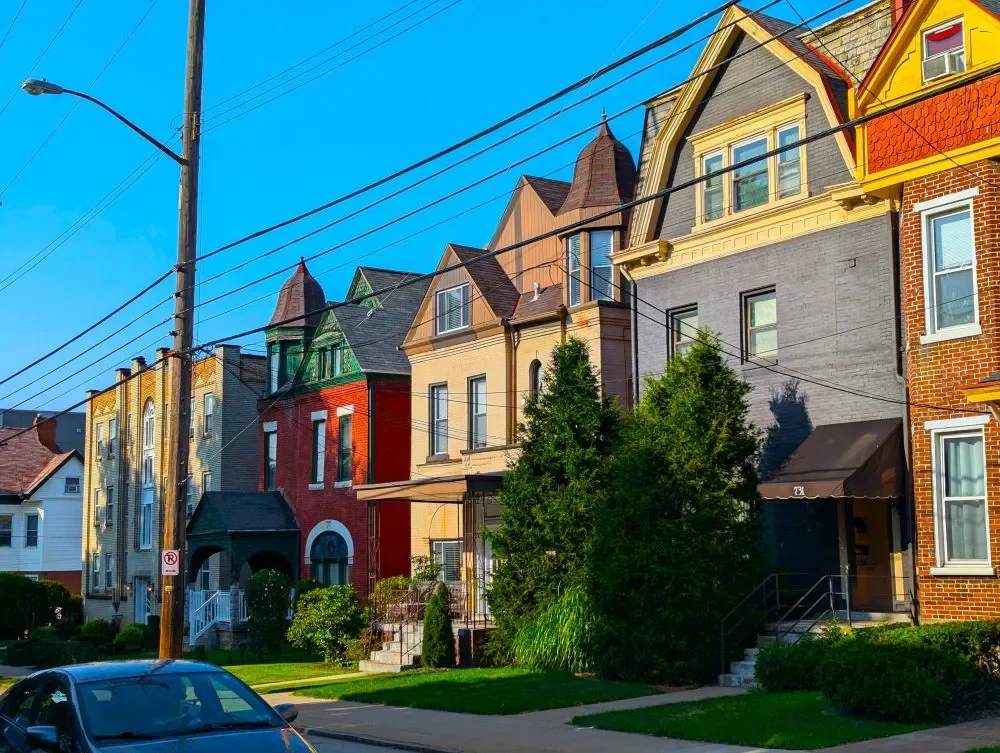
Pittsburgh neighborhoods often have single family homes, duplexes, and small apartments all on the same block.
Pittsburgh’s Housing Needs Assessment in 2022 found major housing needs at the lowest income levels and noted that many renters remain cost-burdened. Zoning reform alone will not solve affordability, but a code that suppresses housing supply and limits where homes can be built clearly moves in the wrong direction. A citywide framework that legalizes neighborhood-scale multifamily housing and other attainable housing types is a basic first step toward a healthier housing system.
Just as important, this principle is already reflected in Pittsburgh’s built form. Many of our most desirable neighborhoods are not composed of only one housing type. They include many housing options, including detached and attached homes, duplexes, and small apartments that fit comfortably together. Our land use plan should allow that kind of neighborhood to be built again.
2. Neighborhood amenities should be allowed in all neighborhoods
A neighborhood works better when people can meet at least some of their daily needs close to home. Small restaurants, cafés, corner stores, and similar neighborhood-serving businesses make daily life more convenient and reduce the need to drive for every errand. That matters especially for older adults, teenagers, families with children, people with disabilities, and anyone trying to live with fewer mandatory car trips. More nearby amenities make neighborhoods feel more active, social, and complete by creating the kinds of everyday places where people run into one another and community life takes shape.
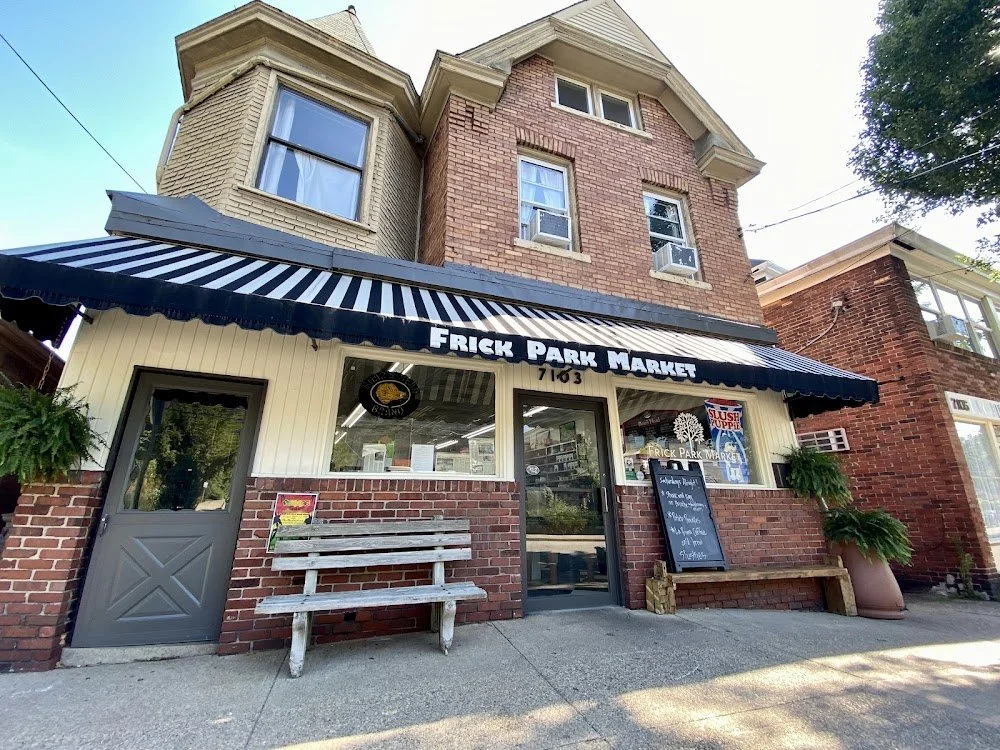
Corner stores, cafes, and neighborhood-serving businesses should be allowed everywhere.
Allowing these amenities across more of Pittsburgh would also make the city function better as a whole. When more neighborhoods include basic goods and services nearby, trips get shorter, routine traffic can be reduced, and it becomes easier to support walking, biking, and transit. More neighborhood-serving businesses also helps spread commercial activity more evenly across the city instead of concentrating it in only a few corridors.
For Pittsburgh, allowing neighborhood amenities is a return to the city’s character. Many of the city’s older neighborhoods were built as places where homes, small businesses, and everyday civic life existed near one another. Allowing neighborhood amenities more broadly is not about forcing major commercial activity into every residential block. It is about making room again for the small-scale uses that help neighborhoods function well for the people who live there.
3. The current built environment should be conforming
One of the clearest signs that our land use rules are out of step with a city is when the city’s most successful neighborhoods could not be legally built under the rules that govern development today. That is a major problem in Pittsburgh.
Many of the neighborhoods people most want to preserve and emulate were built before the current land use framework. They include housing on small lots, buildings with modest setbacks, mixed housing types, and neighborhood-scale intensity that current rules often treat as nonconforming or difficult to reproduce. That is backward. If Pittsburgh values those places, it should make them legal to build again by right.
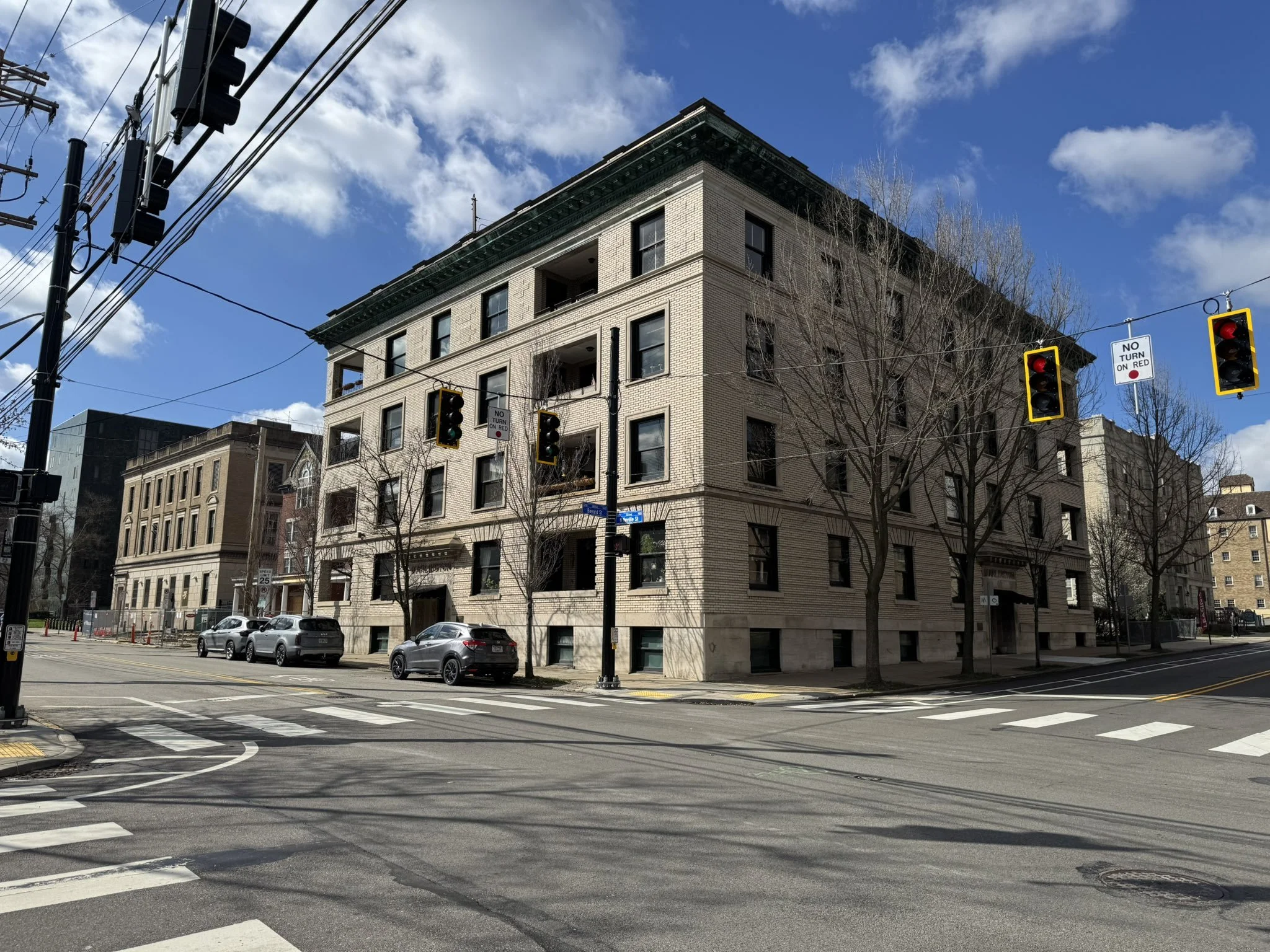
Much of Pittsburgh’s existing buildings would be illegal to build today
Our land use plan should not criminalize the physical form that has already proven to work. It should reflect the city that exists, not impose a suburbanized or over-segregated model on an older urban fabric. The case for reform here is particularly strong in Pittsburgh because the city’s historic built environment is one of its greatest strengths. Existing neighborhoods already demonstrate that a richer mix of housing and uses can coexist within a walkable and attractive urban form.
4. Civic amenities should be allowed in all neighborhoods
Complete neighborhoods are not just about housing and shops. They are also about civic life. Schools, parks, open space, recreation centers, libraries, public buildings, and similar civic amenities should be treated as normal parts of neighborhood life across the city.
Pittsburgh should allow these uses by right in all neighborhoods. A school should not be treated as an odd or intrusive use that belongs only in select districts. A park should not need extraordinary zoning treatment to exist near where people live. Recreation centers and similar public-serving facilities are not fringe activities; they are part of the basic infrastructure of a functioning neighborhood.
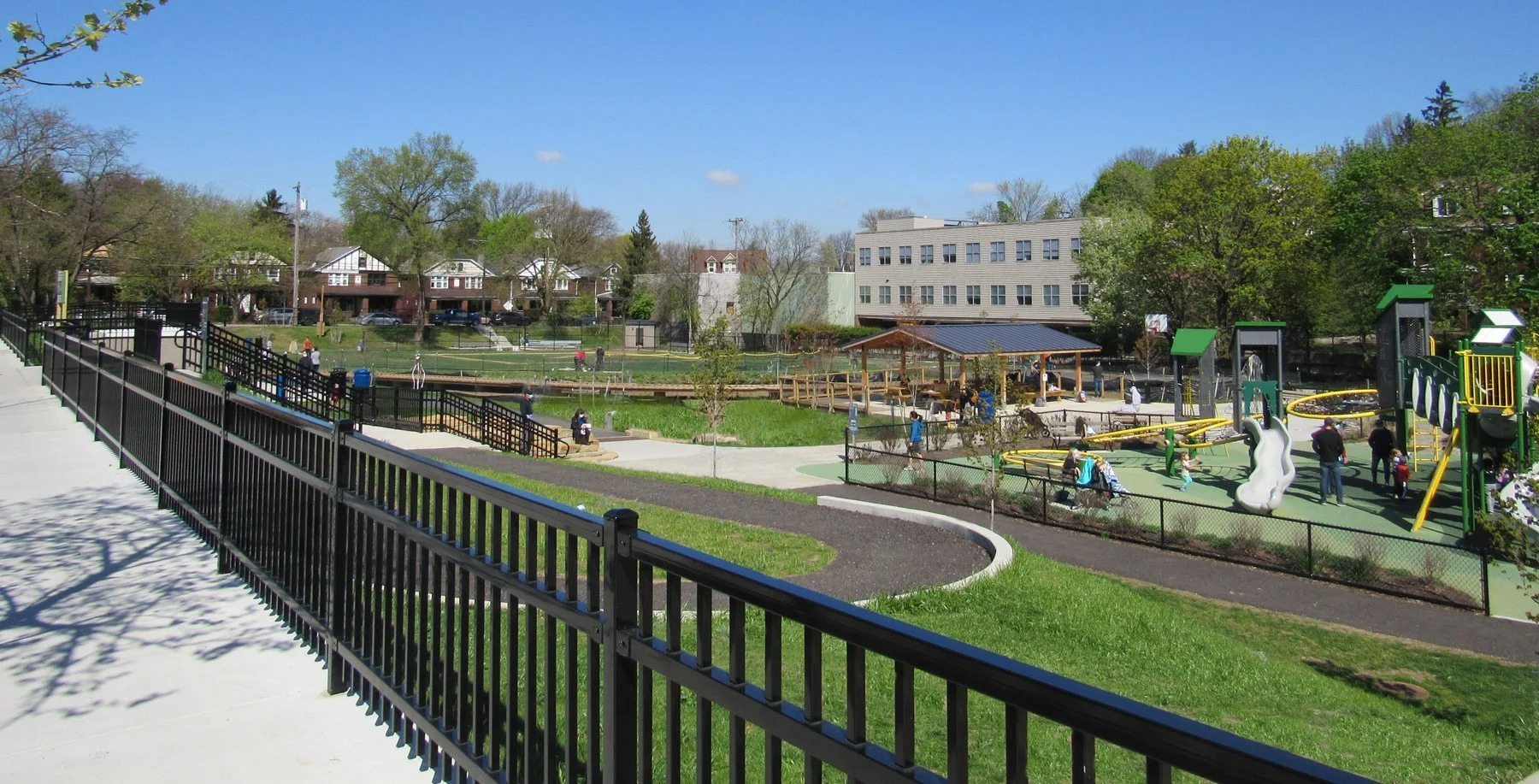
Parks, Schools, Rec Centers, and civic amenities belong in all neighborhoods
If Pittsburgh wants complete neighborhoods, then civic uses have to be part of that commitment. Housing growth without parks, schools, or public amenities is incomplete. But the reverse is also true: civic amenities should not be reserved for a narrow set of neighborhoods while other parts of the city are treated as permanently low-service or low-opportunity places. A citywide framework should make civic life normal and expected everywhere.
5. All neighborhoods should have access to diverse mobility options
Land use and transportation are inseparable. A neighborhood cannot be truly complete if residents have only one realistic way to get around. Pittsburgh should plan for neighborhoods that support multiple mobility options, including walking, biking, transit, and driving.
That means the city should not assume that low density and auto dependence are permanent or inevitable conditions. In fact, some of the decisions made in the draft land use for the comprehensive plan for certain areas were made specifically because certain areas currently lack good transportation options. This is a self-fulfilling prophecy. Neighborhoods need enough homes, destinations, and activity to support stronger transit, better pedestrian access, safer biking conditions, and a wider range of trip options. Sufficient density is not the enemy of mobility choice; it is often what makes mobility choice possible.
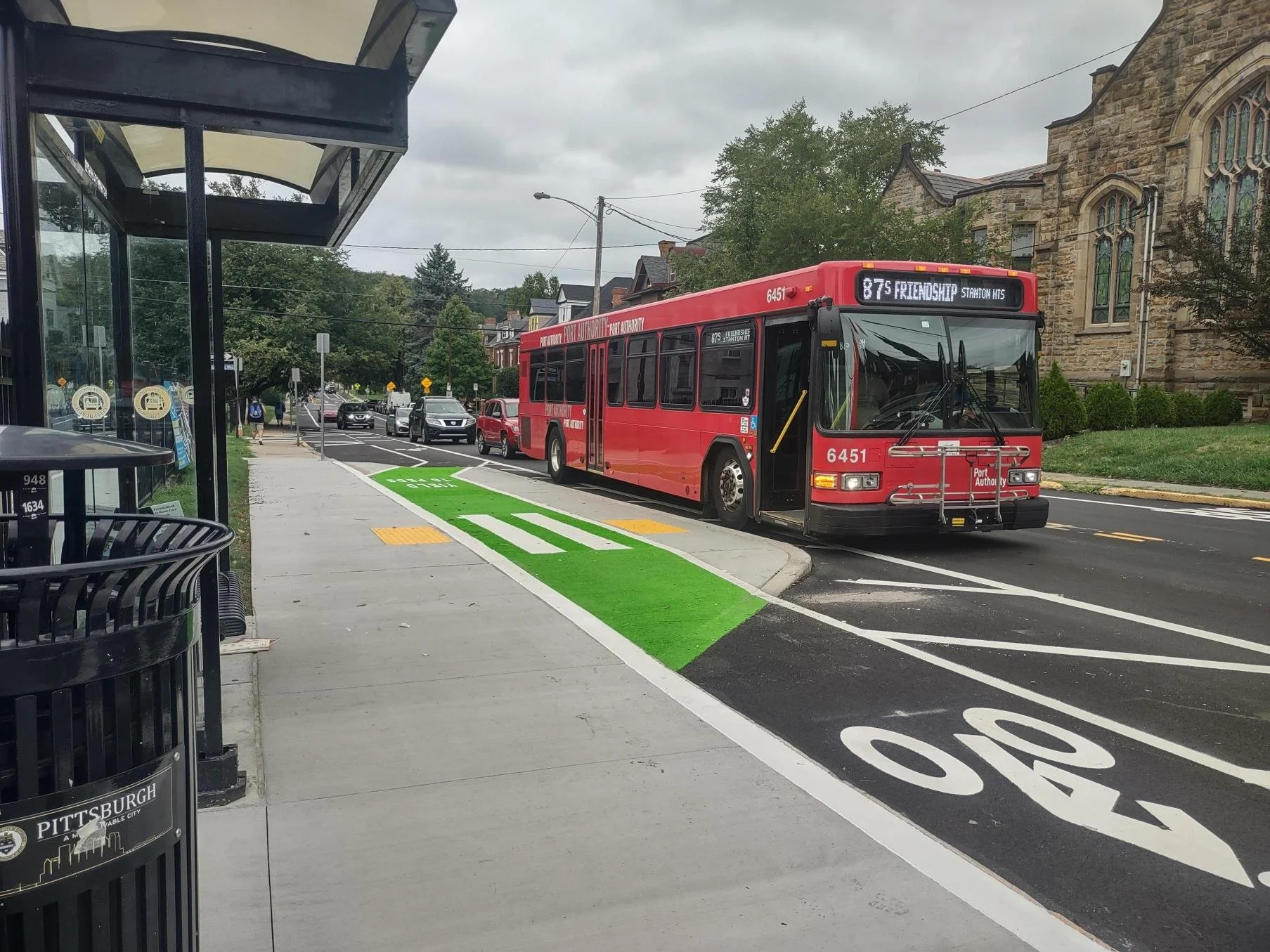
Driving, Biking, Walking, and Transit options should exist in all of our neighborhoods.
Complete neighborhoods are shaped not only by what uses are allowed, but also by how easily people can reach them. When homes, shops, schools, parks, and services are located nearer to each other, more trips can happen without requiring a car. When more people live near transit corridors and neighborhood centers, investment in better transportation becomes more viable. Housing reform and transportation reform should reinforce one another.
Pittsburgh’s Housing Needs Assessment points to the importance of thinking about neighborhoods, housing, and opportunity together. A city that wants more connected and equitable neighborhoods should recognize that mobility is part of the neighborhood framework, not an afterthought.
A citywide vision, not a neighborhood exception
These five principles point toward a different way of thinking about Pittsburgh’s future. Instead of asking which few places should be allowed to change, the city should ask how every neighborhood can become a more complete place to live. That means allowing more homes, welcoming neighborhood amenities, legalizing the kinds of urban forms Pittsburgh already values, making civic uses normal across the city, and supporting multiple ways of getting around.
None of this means every block will change dramatically. In fact, the stronger case is for modest, distributed, neighborhood-scale evolution across the whole city. That is a more equitable growth model, a more realistic reflection of Pittsburgh’s historic form, and a better foundation for affordability and long-term neighborhood health.
If Pittsburgh wants a land-use framework that matches its values, it should stop treating complete neighborhoods as rare exceptions and start making them legal everywhere.